Elementary Math Academic Interventions

Three-Tiered RtI Mathematics Model Characteristics
Tier 1 is the mathematics instruction that all students in a classroom receive. It entails universal screening of all students, regardless of mathematics proficiency, using valid measures to identify students at risk for future academic failure—so that they can receive early intervention. There is no clear consensus on the characteristics of instruction other than that it is “high quality.”
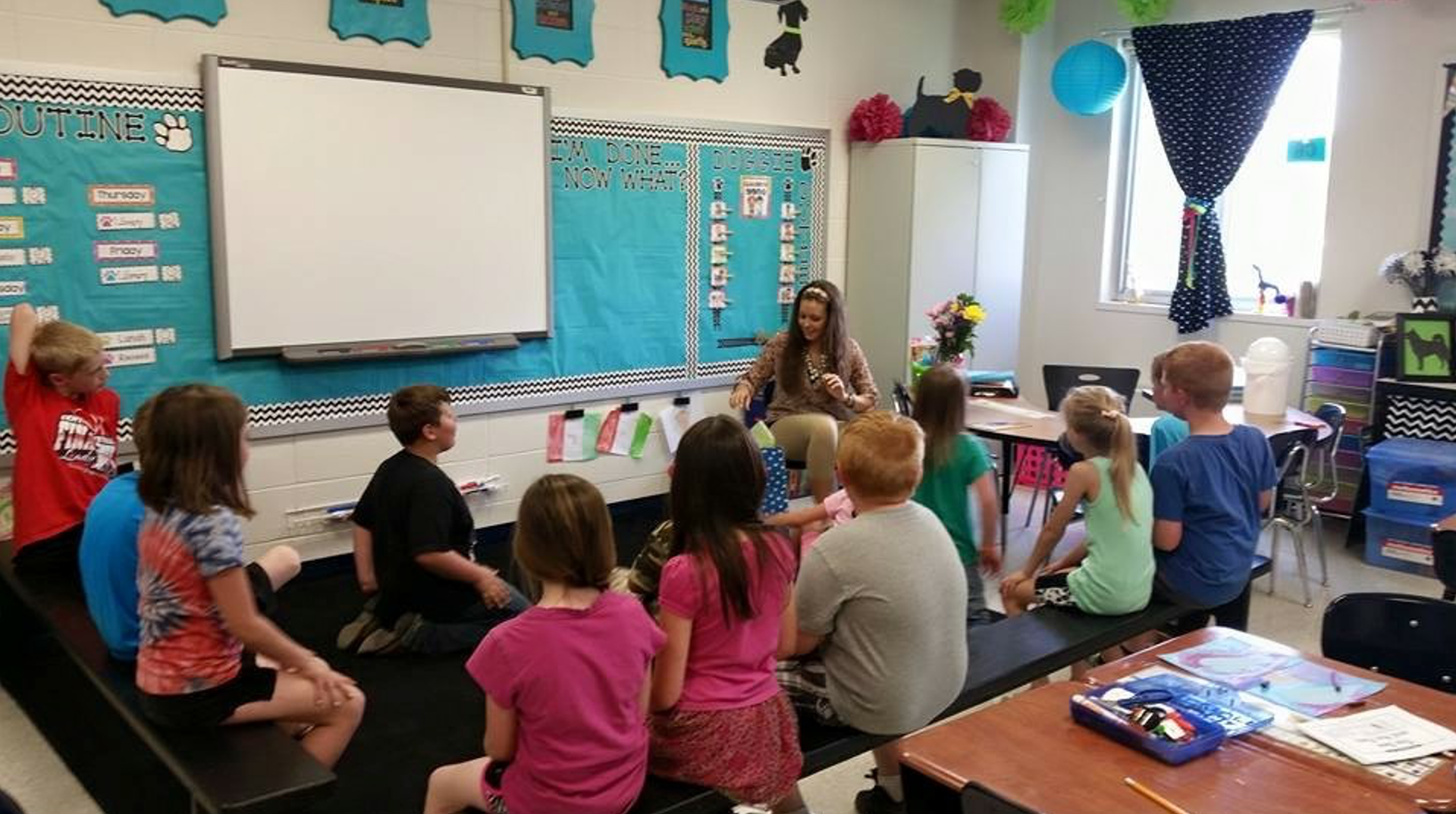
Tier 2 interventions include schools provide additional assistance to students who demonstrate difficulties on screening measures or who demonstrate weak progress. Tier 2 students receive supplemental small group mathematics instruction aimed at building targeted mathematics proficiencies. These interventions are typically provided for 20 to 40 minutes, four to five times each week. Student progress is monitored throughout the intervention.
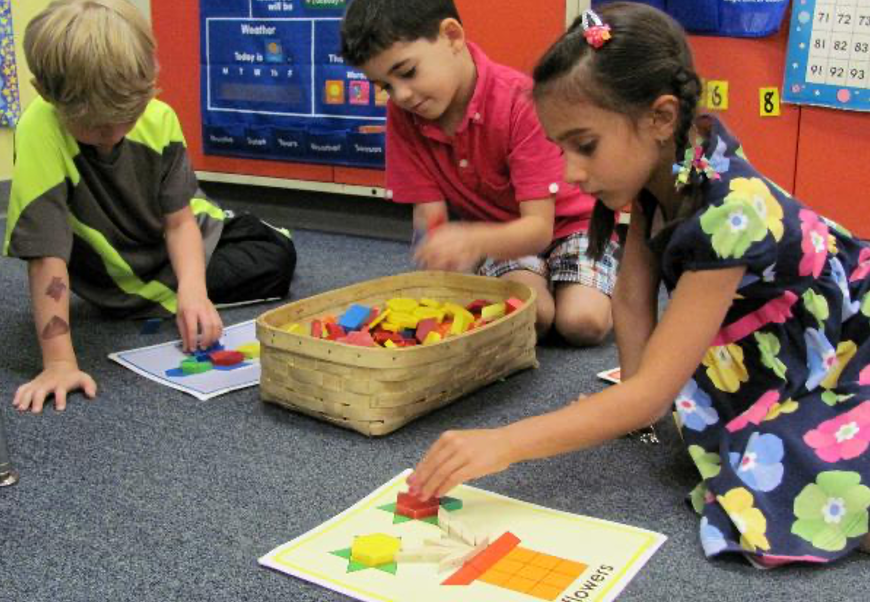
Tier 3 interventions are provided to students who are not benefiting from tier 2 and require more intensive assistance. Tier 3 usually entails one-on-one tutoring along with an appropriate mix of instructional interventions. In some cases, special education services are included in tier 3, and in others special education is considered an additional tier. Ongoing analysis of student performance data is critical in this tier. Students often receive relevant mathematics interventions from a wide array of school personnel, including their classroom teacher.

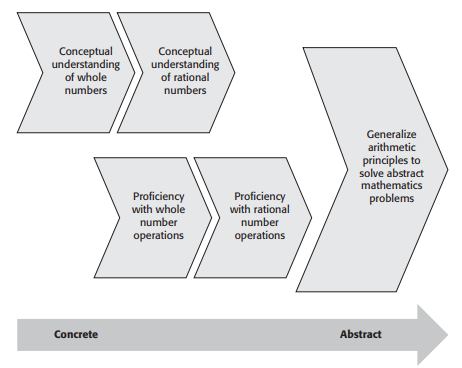
Practices for Intensive Intervention in Mathematics
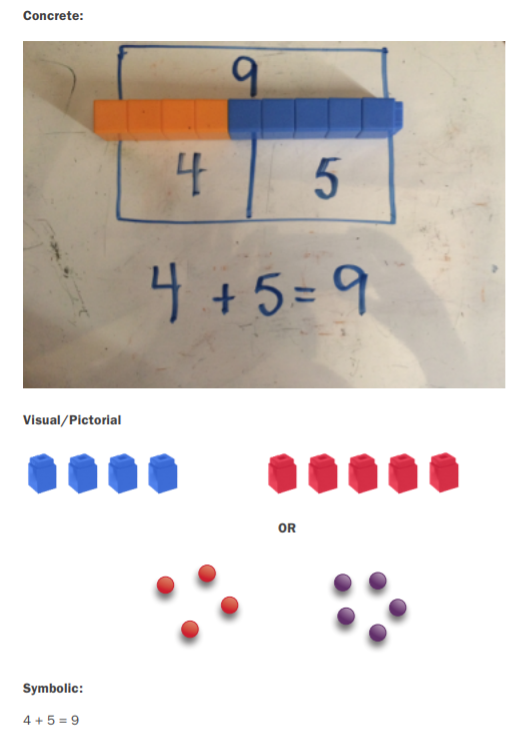
Los Fresnos CISD Problem Solving Method

Mathematics Virtual Manipulatives
Recommendations for identifying and supporting struggling mathematics learners

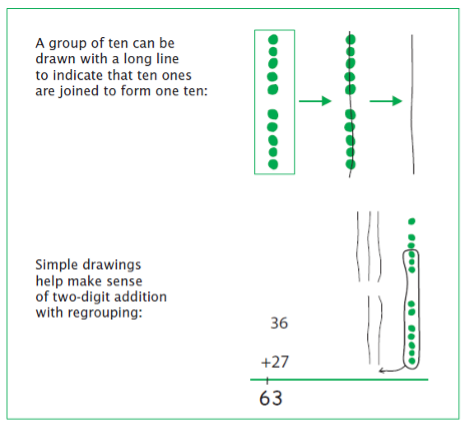
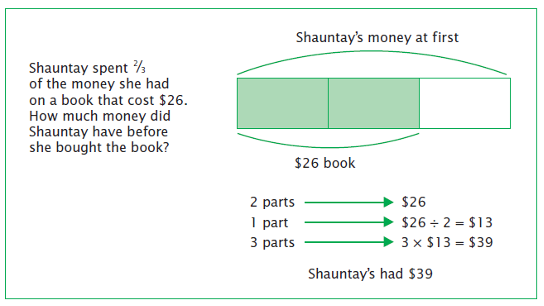
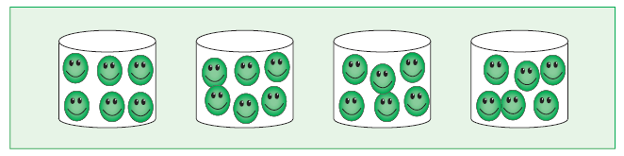
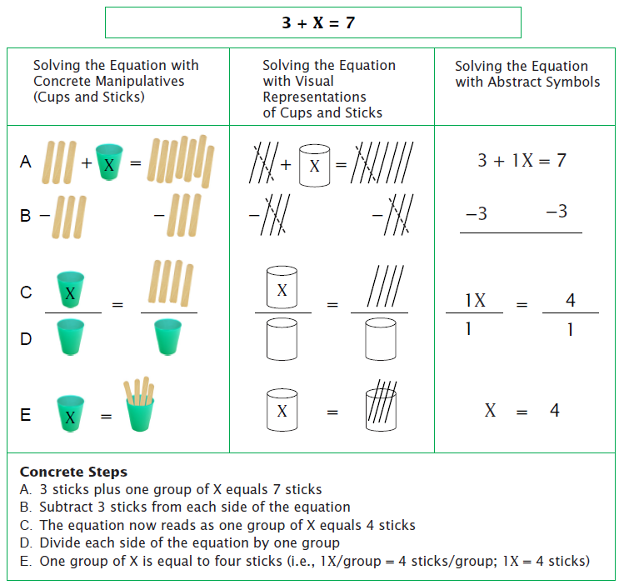
Visual Representations of Mathematical Ideas

Small Group Interventions
3rd Grade – Comparing Fractions
4th Grade Measuring Angles
5th Grade Graphing Ordered Pairs